
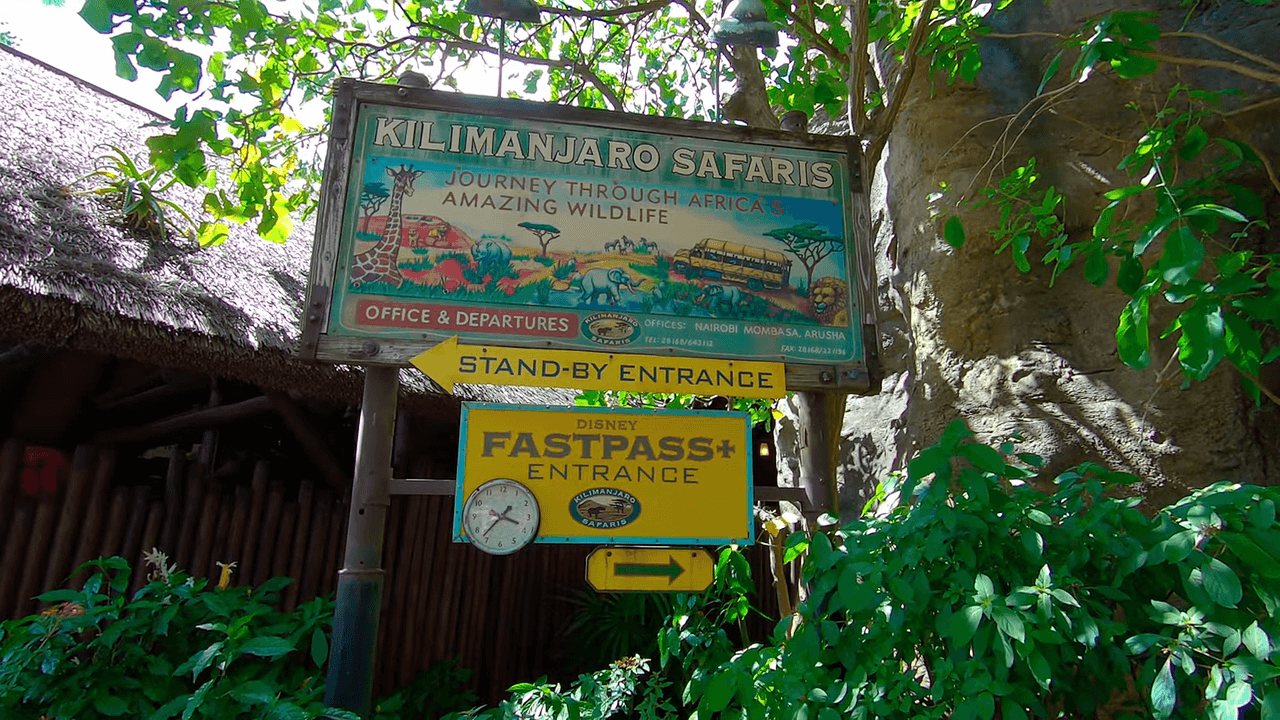
The best time to ride Kilimanjaro Safaris is usually early in the morning, especially near park open, when temperatures are lower and animal activity is often better. Late afternoon can also be a solid backup, but the middle of the day is usually less ideal if you are hoping for your best overall safari experience.
Key Takeaways
- Plan ahead for the best experience.
- Check the My Disney Experience app for updates.
If you want the short version, treat Kilimanjaro Safaris like a priority Animal Kingdom attraction. Ride it early if it matters to your day, then use a second ride later only if crowds, weather, and your schedule line up. You cannot control exactly where every animal will be, but you can absolutely improve your odds with smarter timing.
Quick Answer: When Should You Ride Kilimanjaro Safaris?
- Best overall time: early morning, especially close to park open
- Good backup time: late afternoon or early evening while it is still light out
- Least reliable time: the hottest middle part of the day
- Best strategy: ride once early, then decide later if a second ride is worth it

Why Early Morning Is Usually Best for Kilimanjaro Safaris
Morning is usually the best time because cooler conditions often make the animals more active and the standby line is easier to manage. That gives you two wins at once: a better viewing experience and a more efficient use of your park time.
Early morning safaris are often a smart move for guests who want to:
- see more animal movement
- avoid one of Animal Kingdom’s bigger later-day waits
- ride before the park feels hotter and more crowded
- build a stronger first half of the day around major priorities
Is Kilimanjaro Safaris Better in the Morning or Evening?
Morning is usually the safer answer, but evening can still be good. Late afternoon and early evening can bring cooler temperatures and a different feel, which sometimes helps with animal activity too. The catch is that you are working with more variables by then, including ride wait times, weather, fatigue, and how much daylight is left.
If you only plan to ride once, morning is the more dependable choice. If you love Animal Kingdom and have extra time, a later ride can be worth it for a different experience.
What Is the Worst Time to Ride Kilimanjaro Safaris?
The least reliable time is usually the hottest middle of the day. That does not mean every midday safari is bad, but it is often the time when guests feel the most heat, waits can feel longer, and animal activity may seem less dramatic than it does earlier or later.
Midday is also when Animal Kingdom can feel especially draining. If you are already dealing with heat, strollers, snacks, and tired kids, a long wait for Safaris may not be the best use of your energy.
How Should You Build Kilimanjaro Safaris Into an Animal Kingdom Plan?
The smartest approach is to treat Kilimanjaro Safaris as one of your major Animal Kingdom anchors, not as an afterthought you squeeze in whenever convenient.
- If it is a must-do: aim for it near park open
- If it is a repeat ride: consider checking it again later in the day
- If your group hates long waits: avoid assuming midday will work out
- If you want a flexible day: pair it with nearby lower-pressure attractions and trails
If you are also deciding whether Animal Kingdom needs a full day, read Is Animal Kingdom a Half-Day Park?.
Do You See Different Animals at Different Times?
You may see the same animals at different times of day, but you will not always see them behaving the same way. That is one of the reasons return rides can still feel worthwhile. Animals may be resting, moving, eating, or positioned differently depending on weather, shade, care routines, and the time of day.
That is also why no article should promise a perfect safari window every single day. The goal is to improve your odds, not pretend the experience is identical from ride to ride.
Is Kilimanjaro Safaris Worth Riding More Than Once?
Yes, Kilimanjaro Safaris is one of the best repeat rides in Disney World if your schedule allows it. The animal movement, lighting, and overall pacing can feel different from one ride to the next. If Animal Kingdom is a priority park for your group, a second ride can make sense.
That said, a repeat ride makes more sense when:
- the first standby wait was manageable
- you enjoy animal-focused attractions
- you already covered your biggest priorities
- weather and energy levels are still on your side
Should You Ride Kilimanjaro Safaris First at Rope Drop?
For many guests, yes. If Kilimanjaro Safaris is one of your top priorities, riding it early is often one of the simplest high-value moves you can make at Animal Kingdom. It helps you avoid using valuable middle-of-the-day time on a queue that may feel less rewarding later.
If you are building a bigger park strategy, our guide to Disney World rides with shorter wait times can help you balance headline attractions with easier filler options.
Kilimanjaro Safaris Tips for a Better Ride
- Ride early if the safari matters a lot to your group.
- Keep expectations flexible because animal movement changes daily.
- Have your camera or phone ready before the truck gets moving.
- Do not assume one bad ride means the attraction is overrated.
- Use a later repeat ride only if the timing truly works for your day.
Animal Kingdom can also feel hotter than some guests expect, so pair your safari plan with practical park pacing. This guide to staying cool at Disney World can help.
Kilimanjaro Safari Best Times (2026)
While Kilimanjaro Safari wait times are relatively short compared to headliner rides, animal activity varies throughout the day. Here are the best times for optimal wildlife viewing in 2026:
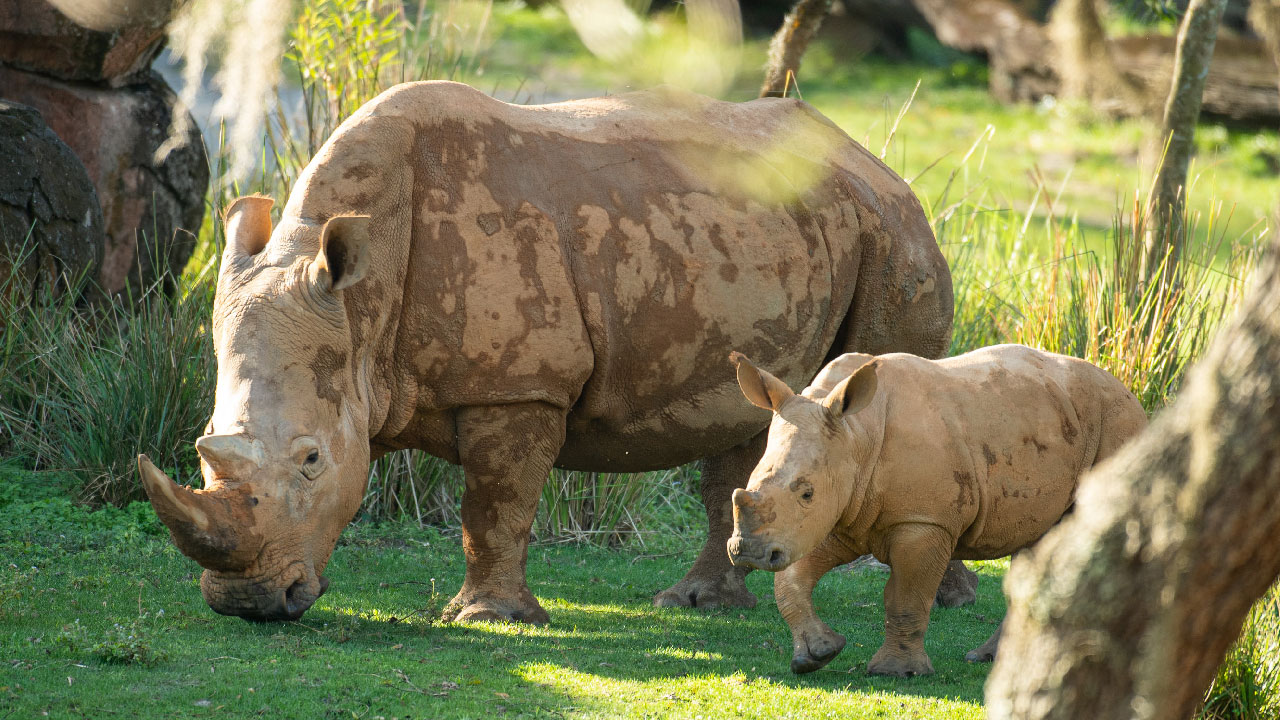
- Early Morning (8:00 AM – 10:30 AM): Animals are most active in the cooler temperatures. Best chance to see lions, cheetahs, and rhinos moving.
- Late Afternoon (3:30 PM – 5:00 PM): Second peak of activity as temperatures drop before sunset. Many animals come to watering holes.
- Avoid Midday (11:00 AM – 2:30 PM): During peak heat, many animals seek shade and are less visible.
- Evening (After 7:00 PM): Safari closes at sunset. No nighttime offerings.
Pro tip: Check the My Disney Experience app for real-time wait times. The single-rider line (if available) can cut your wait significantly.
Seasonal Considerations for 2026
- Winter (Dec-Feb): Pleasant temperatures all day. Animals active throughout park hours.
- Spring (Mar-May): Warm but comfortable. Morning still best for active wildlife.
- Summer (Jun-Aug): Hot and humid. Early morning essential for animal activity.
- Fall (Sep-Nov): Similar to spring. Humidity drops in October-November.
Sources: Disney World park guides, animal behavior experts, seasonal crowd patterns.
Bottom Line
The best time to ride Kilimanjaro Safaris is usually early in the morning near park open, with late afternoon as your best backup. If you want the strongest combination of lower heat, better pacing, and more reliable animal viewing, morning is the safest choice for most Disney World trips.
For more Animal Kingdom planning help, continue with Is Animal Kingdom a Half-Day Park? and How Far Do You Walk at Disney World?.
Kilimanjaro Safari Best Times (2026)
While Kilimanjaro Safari wait times are relatively short compared to headliner rides, animal activity varies throughout the day. Here are the best times for optimal wildlife viewing in 2026:
- Early Morning (8:00 AM – 10:30 AM): Animals are most active in the cooler temperatures. Best chance to see lions, cheetahs, and rhinos moving.
- Late Afternoon (3:30 PM – 5:00 PM): Second peak of activity as temperatures drop before sunset. Many animals come to watering holes.
- Avoid Midday (11:00 AM – 2:30 PM): During peak heat, many animals seek shade and are less visible.
- Evening (After 7:00 PM): Safari closes at sunset. No nighttime offerings.
Pro tip: Check the My Disney Experience app for real-time wait times. The single-rider line (if available) can cut your wait significantly.
Seasonal Considerations for 2026
- Winter (Dec-Feb): Pleasant temperatures all day. Animals active throughout park hours.
- Spring (Mar-May): Warm but comfortable. Morning still best for active wildlife.
- Summer (Jun-Aug): Hot and humid. Early morning essential for animal activity.
- Fall (Sep-Nov): Similar to spring. Humidity drops in October-November.
Sources: Disney World park guides, animal behavior experts, seasonal crowd patterns.
Frequently Asked Questions
Is this worth it? Yes, if you plan accordingly.
Recent Posts
Ever walked down Main Street, U.S.A. and heard a crisp, robotic chant echoing from the Imperial‑style barracks? You’re not imagining it—Disney’s ne...
Whether you’re a first‑time visitor craving a quick bite or a seasoned Disney foodie hunting the next unforgettable dinner, the choices can feel as en...