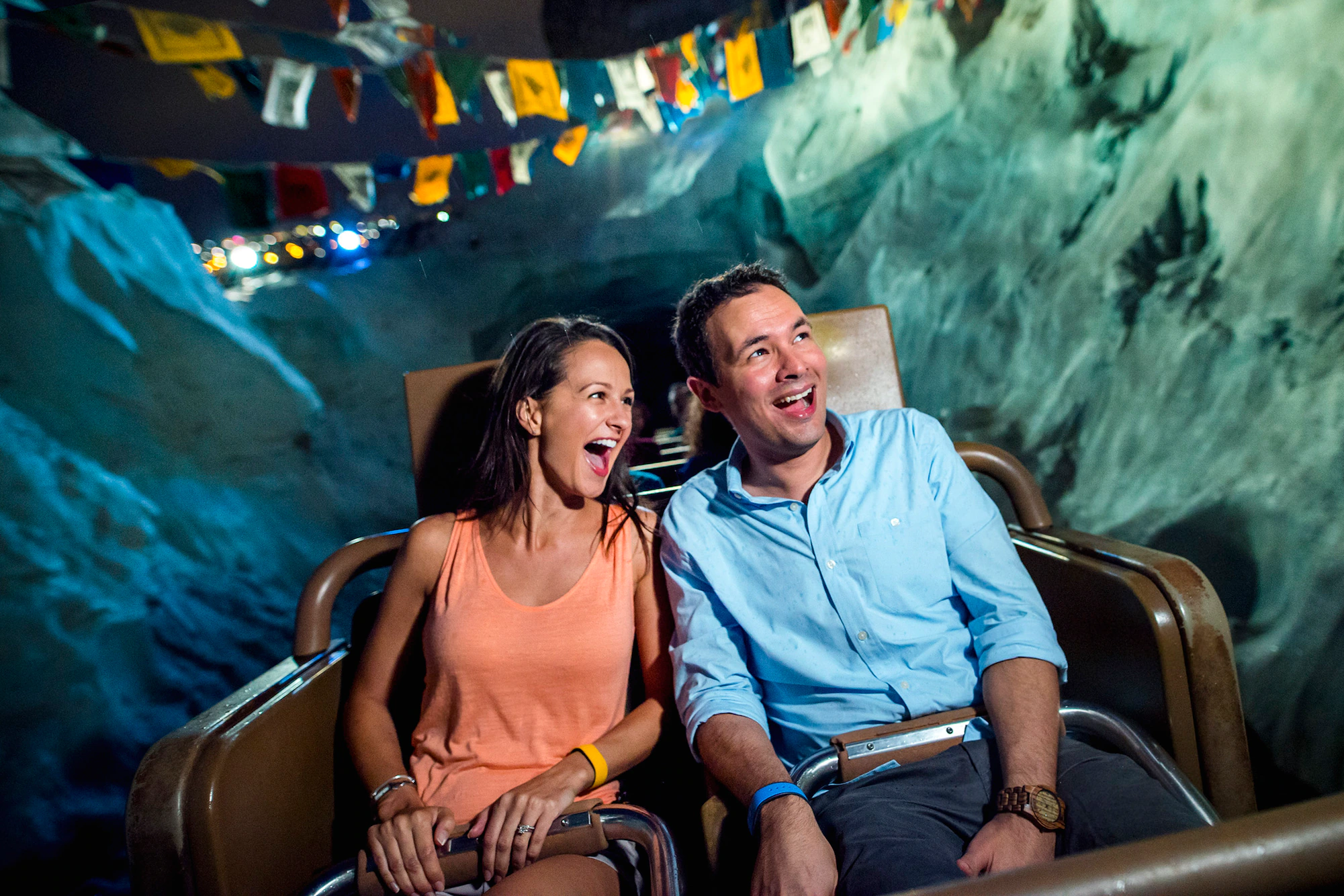
Disney World rides are generally very safe for most guests, but “safe” does not mean every attraction is right for every person. The bigger planning question is usually whether a ride fits your health needs, height restrictions, motion tolerance, and comfort level.
Disney does a good job posting warnings, and the smartest way to stay safe is to take those warnings seriously instead of assuming every ride is a must-do.
Bottom line: Walt Disney World rides are broadly safe when guests follow posted rules, use the correct restraints, and skip attractions that are a poor fit for their body, age, or medical situation.
What Actually Makes a Disney Ride Safe?
Ride safety at Disney World comes down to a combination of engineering, maintenance, restraint systems, operating procedures, and guest behavior. Disney attractions are designed with specific rider limits and warnings for a reason, and those rules matter more than internet scare stories.
- Height requirements help match riders to the restraint system and ride motion
- Posted warnings help guests with heart, back, neck, pregnancy, or motion-sensitivity concerns avoid poor-fit attractions
- Cast Member instructions matter during boarding, restraint checks, and unloading
- Guest behavior matters too, especially keeping arms, legs, and loose items where they belong
Are Disney World Rides Safe for Kids?
Many Disney rides are very family-friendly, but not every ride is a good fit for every child. Safety is not just about meeting the height minimum. It is also about whether the child can handle darkness, drops, loud sound, spinning, or sudden motion without panicking.
Parents usually make the best ride decisions when they think about the ride experience, not just the ride category. A child who loves slow dark rides may still hate simulators, and a child who meets a height rule may still not be ready for a thrill ride.
Which Disney World Rides Feel the Most Intense?
The most intense rides are not always the fastest ones. For many guests, the toughest attractions are the ones with large drops, strong motion simulation, sharp turns, spinning, darkness, or loud effects.
- Drop-heavy attractions can feel intense even when the ride is short
- Simulators can be rough for guests with motion sickness
- Coasters may be physically uncomfortable for some guests even if the ride is popular
- Dark rides with sudden effects can overwhelm younger or more sensitive riders
If you are building a comfortable park day, this guide to Disney World rides with the shortest wait times can also help you avoid forcing a stressful attraction just because the line is short.
Why Do Disney Rides Stop or Temporarily Close?
A ride stopping does not automatically mean the ride is unsafe. In many cases, a temporary stop is the system doing exactly what it is supposed to do. Attractions pause for loading issues, guest behavior, weather, accessibility boarding, technical resets, or routine operational checks.
That can be frustrating during your trip, but from a safety standpoint, it is usually better to think of a stopped ride as a controlled operational response, not proof that something dangerous just happened.
What Should You Do If a Ride Stops While You Are On It?
Stay calm and wait for Cast Member instructions. Most stops are brief, and guests are either restarted or safely guided through the next steps. The biggest mistake is trying to unbuckle, stand up, or improvise.
- Remain seated unless a Cast Member tells you otherwise
- Keep restraints secured
- Do not try to use your phone or loose items if it affects safety instructions
- Listen carefully if evacuation directions are given
How Can You Tell If a Ride Is a Bad Fit for You?
This is the question more guests should ask. A ride can be safe in general and still be a bad choice for your body or comfort level. If you have back pain, heart issues, motion sickness, claustrophobia, pregnancy restrictions, or anxiety around drops, pay attention to posted warnings and ask a Cast Member what the ride feels like before you board.
Guests planning around mobility, comfort, or accessibility should also review ride fit and comfort considerations and Disney DAS basics when relevant.

Best Disney Ride Safety Tips for Guests
- Read every posted height and health warning
- Do not pressure kids or nervous adults into riding
- Secure loose items and follow restraint instructions exactly
- Ask Cast Members about ride motion if you are unsure
- Skip the ride if it does not feel like a good fit for your group
Good Disney planning is not about doing every attraction. It is about matching the right rides to the right people so the day stays fun instead of stressful.
Bottom Line
Disney World rides are generally safe, but the safest trip is the one where guests make smart choices. Follow posted warnings, use the proper restraints, listen to Cast Members, and skip attractions that do not fit your health or comfort level. For most families, that practical approach matters far more than sensational ride stories or outdated statistics.
2026 Ride Safety Updates
Disney World maintains one of the most rigorous ride safety programs in the theme park industry. As of 2026, all ride systems undergo daily pre-opening inspections, with major structural and mechanical reviews performed on scheduled maintenance cycles. Florida law requires theme parks with more than 1,000 employees (like Disney) to maintain their own internal inspection programs, which must meet or exceed state standards.
Disney’s Inspection Process in 2026
Each attraction goes through a multi-layer inspection protocol:
- Daily checks: ride operators and maintenance teams perform walk-throughs and system tests before the park opens every morning
- Weekly inspections: more detailed mechanical and electrical reviews of ride systems, restraints, and emergency stops
- Annual comprehensive reviews: full tear-down inspections of critical components including track, vehicles, hydraulics, and control systems
- Third-party audits: independent safety engineers review attraction systems on a regular schedule
Emergency Protocols
Disney attractions are designed with multiple redundant safety systems. If a sensor detects an anomaly, the ride automatically stops (known as a “101” or “ride stop”). Cast Members are trained in ride evacuation procedures, including walking guests off elevated tracks and darkened ride paths. Medical teams are stationed throughout the parks and can respond to any attraction within minutes. In June 2026, Disney conducted mass attraction inspections after a confirmed earthquake in the Orlando area, demonstrating their proactive approach to safety.
Common Injuries and How to Stay Safe
The most commonly reported guest incidents at theme parks involve pre-existing conditions (such as heart conditions or back problems aggravated by ride forces), motion sickness, and heat-related illness rather than mechanical failures. To stay safe on Disney rides in 2026:
- Read all posted warnings and height requirements before riding
- Secure loose items and keep hands and arms inside the ride vehicle at all times
- Follow Cast Member instructions during loading and unloading
- Do not ride if you have conditions listed on the warning signs
- Stay hydrated, as dehydration can increase the risk of feeling unwell on rides
Florida’s quarterly theme park injury reports (filed with the Department of Agriculture and Consumer Services) provide public transparency into any reported incidents.
Recent Posts
Ever walked down Main Street, U.S.A. and heard a crisp, robotic chant echoing from the Imperial‑style barracks? You’re not imagining it—Disney’s ne...
Whether you’re a first‑time visitor craving a quick bite or a seasoned Disney foodie hunting the next unforgettable dinner, the choices can feel as en...